8.4· 124 reviews
Blumenau & Pomerode Day Trip
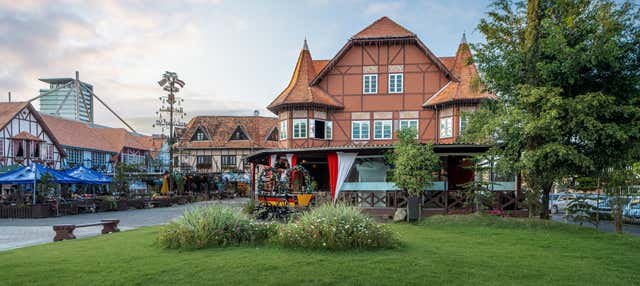
Discover a little piece of Germany in Brazil on this day trip to Blumenau and Pomerode from Florianópolis. It'll be an amazing day!
12 h
from US$ 38
Florianópolis calls for 4 to 6 days: the north of the island, Lagoa da Conceição, the historic center and at least one wild beach in the south. For the beach, the best time runs from December to March, with highs of 28 to 30 °C; it is also the rainiest and busiest season.
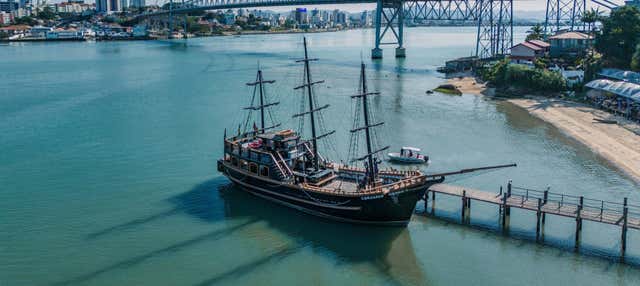
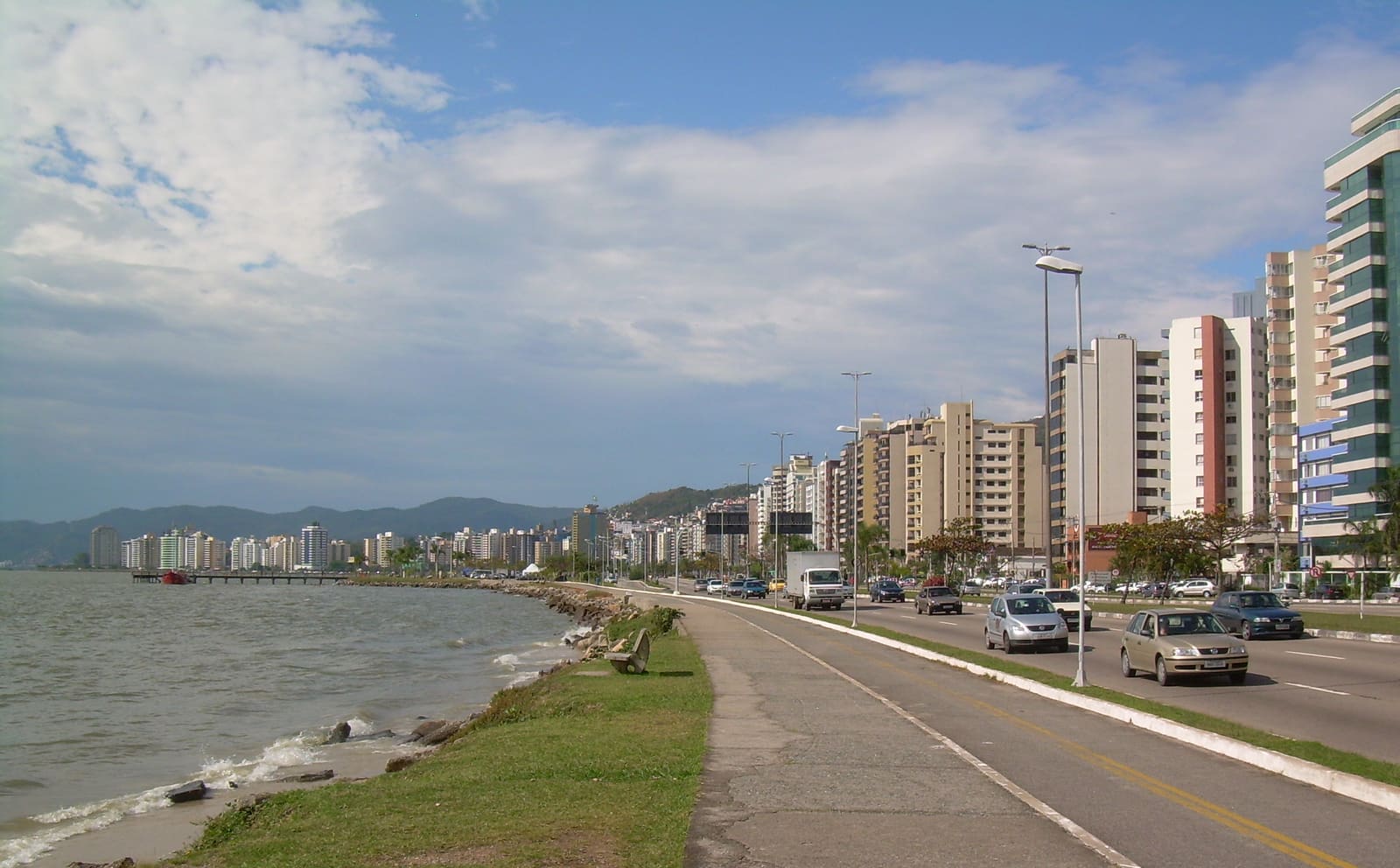
Florianópolis is almost entirely an island. The mainland part, linked by three bridges, is where much of the population lives, but what makes the city famous is across the water: Santa Catarina Island, about 54 km from north to south, with more than forty beaches, from the cold open sea of the east to the calm coves of the north. The Hercílio Luz Bridge, a lit-up suspension bridge, has been a symbol of the city since 1926 and reopened to pedestrians after a long restoration.
The scenery changes completely as you cross the island. In the north, Jurerê, Canasvieiras and Ingleses hold most of the tourist infrastructure, with warmer water and plenty of buzz in summer. In the east, Praia Mole, Joaquina and Campeche take the ocean swell and attract surfers and anyone who enjoys a strong sea. In the south, Lagoinha do Leste and Pântano do Sul keep the feel of a fishing village, with boat crossings and trails. In the middle of the island, Lagoa da Conceição is the meeting point: brackish water that is good for stand-up paddleboarding and kitesurfing, bars by the shore and the Azorean-heritage houses of Costa da Lagoa, which can only be reached on foot or by boat.
The Azorean heritage shows up on the plate and in the architecture. Florianópolis is Brazil's largest producer of farmed oysters and shellfish, and the famous sequência de camarão (an all-you-can-eat shrimp feast served course after course) and the seafood bars of Santo Antônio de Lisboa and Ribeirão da Ilha are part of the experience. The city often appears on lists of the best quality of life in the country and has established itself as a tech hub, which mixes summer visitors with people who live and work there all year.
Updated on October 13, 2026
A brackish lagoon in the heart of the island, a meeting point for stand-up paddleboarding and kitesurfing, with bars by the shore. Costa da Lagoa, with its Azorean-heritage houses, can only be reached on foot or by boat.
A historic stronghold of Brazilian surfing, with strong waves and dunes for sandboarding just behind the strip of sand.
A beach with calm, warm water in the north of the island, known for its beach clubs and planned seafront. Good for families during the day.
A suspension bridge opened in 1926 and a symbol of the city, restored and reopened to pedestrians, with a view of the bay.
An Azorean fishing village in the south, a center of oyster farming and home to the city's most traditional seafood restaurants.
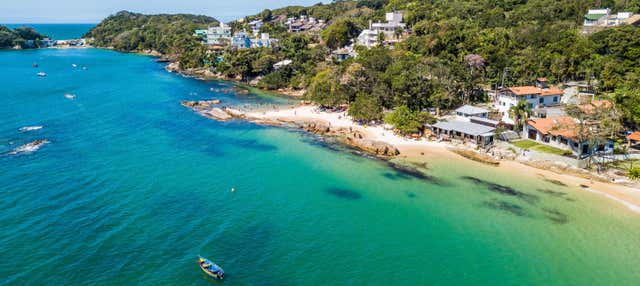
An unspoiled beach, reached only by trail or by boat, surrounded by hills and forest. It is one of the most pristine landscapes on the island.
A historic neighborhood on the west side of the island, with an 18th-century church, sunsets over the bay and bars serving fresh oysters.
An open-sea beach ringed by hills, a young, surf-oriented spot on the east side of the island, close to the lagoon.
Brazil is in the Southern Hemisphere, so the seasons are the reverse of those in Europe and North America: summer falls between December and March and winter between June and August. In Florianópolis summer is hot, with highs of 28 to 30 °C and lows of 21 to 22 °C from December to March; in July, the coolest month, the average high is 21 °C and the low is 13 °C.
It rains all year, with no clear dry season. June is the driest month, with 86 mm over 8 days, followed by August (93 mm) and July (101 mm). January is the wettest, with 241 mm over 17 days, and February (198 mm) and March (180 mm) are also very wet.
December to March is the high beach season: more people, higher prices and the warmest sea in the north. Outside summer the city empties out and prices drop. Spring and fall are a good choice for anyone who prefers a quieter trip: in April, for example, the average high is 27 °C and the low is 19 °C, with 116 mm over 10 days.
| Month | High | Low | Rain | Rainy days | Rating |
|---|---|---|---|---|---|
| January | 29 °C | 22 °C | 241 mm | 17 | Fair |
| February | 30 °C | 22 °C | 198 mm | 16 | Fair |
| March | 29 °C | 21 °C | 180 mm | 14 | Fair |
| April | 27 °C | 19 °C | 116 mm | 10 | Good |
| May | 24 °C | 16 °C | 126 mm | 9 | Good |
| June | 22 °C | 14 °C | 86 mm | 8 | Good |
| July | 21 °C | 13 °C | 101 mm | 9 | Fair |
| August | 22 °C | 14 °C | 93 mm | 8 | Good |
| September | 22 °C | 15 °C | 147 mm | 11 | Fair |
| October | 24 °C | 18 °C | 153 mm | 13 | Fair |
| November | 26 °C | 19 °C | 147 mm | 13 | Fair |
| December | 28 °C | 21 °C | 177 mm | 15 | Fair |
Monthly averages for 1991-2020 from INMET (Brazil's National Institute of Meteorology). The rating combines rainfall, temperature and humidity.
In summer (December to February), Florianópolis has highs of around 29 °C (84 °F) and lows of 22 °C (72 °F), and it is the wetter season, with about 205 mm of rain spread over about 16 days a month. The days are hot and call for beach time and shade.
In fall (March to May), Florianópolis has highs of around 27 °C (81 °F) and lows of 19 °C (66 °F), and it is the wetter season, with about 141 mm of rain spread over about 11 days a month. Temperatures are pleasant for sightseeing all day.
In winter (June to August), Florianópolis has highs of around 22 °C (72 °F) and lows of 14 °C (57 °F), and it is the wetter season, with about 93 mm of rain spread over about 8 days a month. The weather is milder, good for walking and exploring without the summer heat.
In spring (September to November), Florianópolis has highs of around 24 °C (75 °F) and lows of 17 °C (63 °F), and it is the wetter season, with about 149 mm of rain spread over about 12 days a month. The weather is milder, good for walking and exploring without the summer heat.
Weather, crowds, prices and what is happening at the destination in each period. Tap a month to open its full page; the colored dot shows how good the time is for a visit.
A religious festival of Azorean origin, with processions, novenas (nine days of prayer) and the crowning of the emperor in communities across the island, a tradition kept since the 18th century.
New Year's Eve with public fireworks at Beira-Mar Norte and the Hercílio Luz Bridge, plus parties in Jurerê Internacional.
Recurring annual events: exact dates change every year, so confirm them before you plan your trip.
The gateway is Hercílio Luz International Airport (FLN), in the south of the island, in the Carianos neighborhood, about 12 km from the city.
Because the beaches are far apart and public transport is slow, it is best to rent a car or use ride-hailing apps to get around the island. In summer, traffic between the north and the south of the island is heavy, so it pays to choose your area to stay carefully.
Routes and airlines arriving from each country change often; the safest approach is to check them when you plan your trip.
Choosing the area matters, because the beaches are far from one another. The north (Jurerê, Canasvieiras, Ingleses) holds most of the tourist infrastructure and has the calmest, warmest sea, which makes it a good choice for families. The east (Praia Mole, Joaquina, Campeche) is for those who want waves and surf, and Lagoa da Conceição brings together bars by the shore and water sports. The south (Lagoinha do Leste, Pântano do Sul, Ribeirão da Ilha) has the feel of a fishing village, with trails and good seafood. Santo Antônio de Lisboa, on the west side of the island, is another spot for dinner at sunset.
Rates change with the dates: confirm the price on Booking.com.
For the beach, December to March, when it is hot (highs of 28 to 30 °C) and the sea in the north is warm. It is also the high season, with more people, high prices and the rainiest months (177 to 241 mm). For a quieter trip, spring and fall still bring sunny days and a calmer city.
Between 4 and 6 days lets you see the north, the lagoon, the historic center and at least one wild beach in the south without rushing. With 3 days you get a taste, but you leave wanting more.
Hercílio Luz International Airport (FLN) is in the south of the island, in the Carianos neighborhood, about 12 km from the city. The transfer time depends on the area where you stay, because the beaches are far apart.
Beaches such as Joaquina and Mole have open sea and strong waves, ideal for surfing but with currents. Follow the signs and choose the north of the island if you want calm water for swimming.
Yes. The beaches in the north of the island, such as Jurerê and Canasvieiras, have the calmest, warmest sea and good infrastructure. Lagoa da Conceição offers relaxed boat trips and stand-up paddleboarding.
You can, but it takes planning. The beaches are far from one another and public transport is slow. To see several spots on the island in a few days, renting a car or using ride-hailing apps makes things much easier.
The weather and population data in this guide come from official agencies and open databases. Entry requirements and health recommendations change: always check the official source linked.