8.1· 19 reviews
Arraial do Cabo Day Trip + Boat Ride
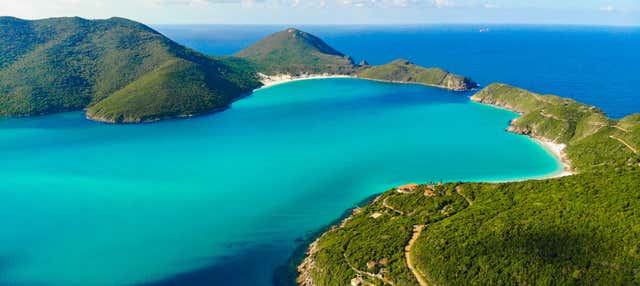
Want to visit one of the most beautiful places in Rio de Janeiro? On this excursion to Arraial do Cabo, we'll visit its white sandy beaches on a fun boat ride.
10 h
from US$ 68
Búzios calls for 3 to 4 days, just enough time to explore its varied beaches, take a boat trip and stroll the Rua das Pedras at night without rushing. The window with the best weather runs from April to October, with August as the driest month (30 mm of rain over 4 days) and highs of 23 to 27 °C. Summer, from December to February, is hotter (up to 29 °C in January) and wetter (95 mm in December), and it is also the busiest and most expensive season.
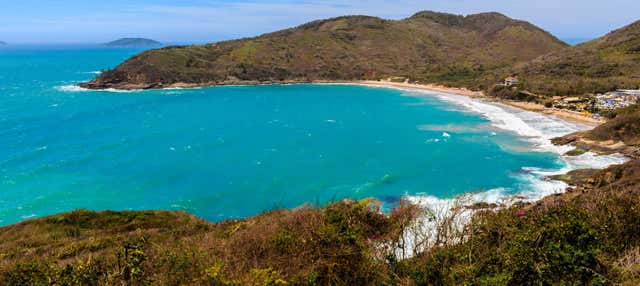
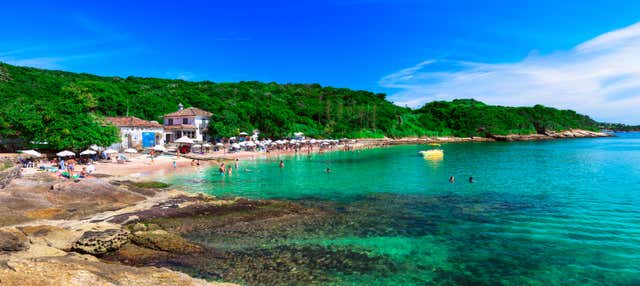
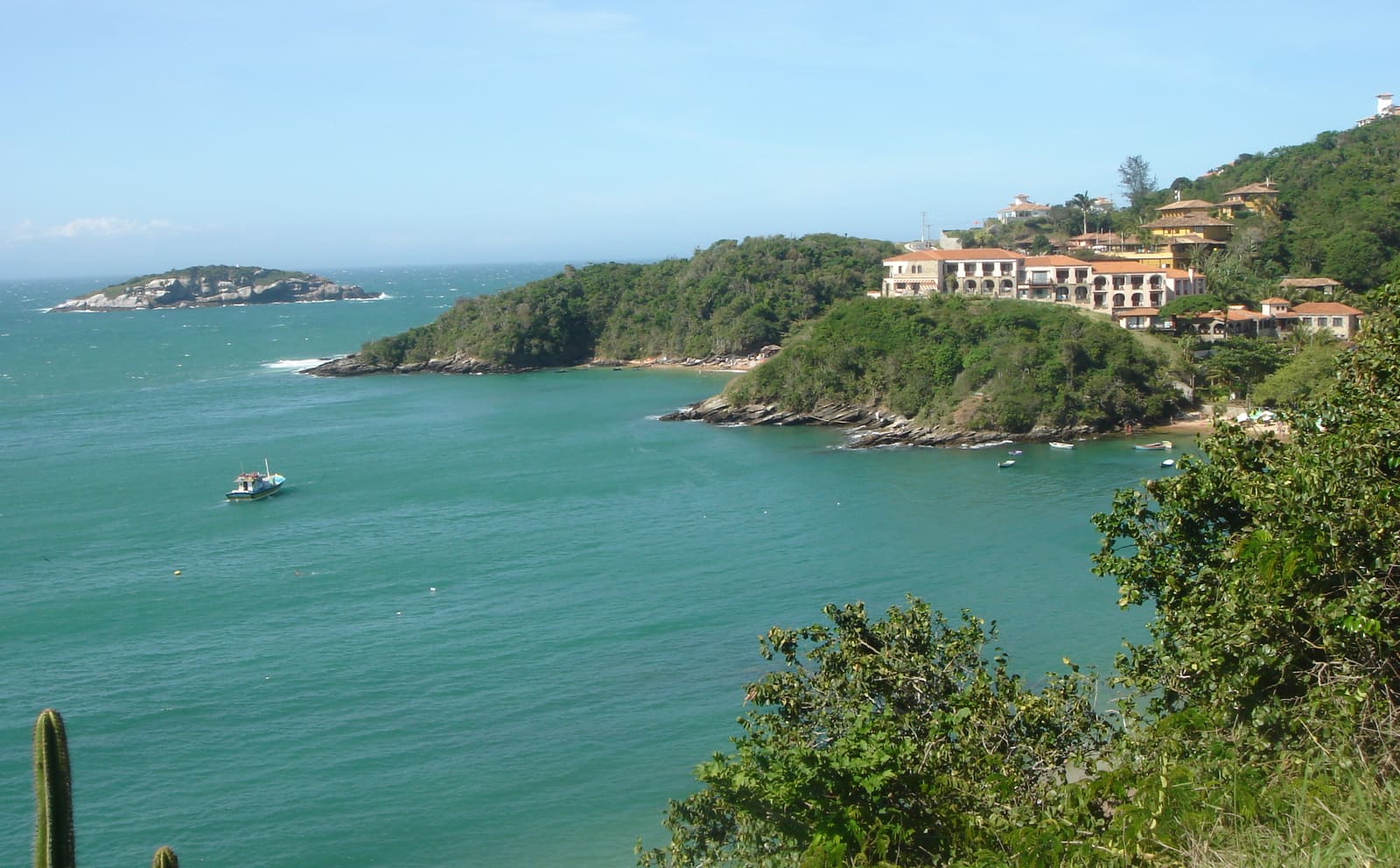
Búzios is a narrow peninsula in the Região dos Lagos (Lakes Region), with more than twenty beaches within a few kilometers: open-sea beaches with waves, like Geribá, and quiet coves of clear water, like João Fernandes and Azeda. That variety in a small space is its great advantage: you can switch beaches depending on the wind and your mood without getting back on the road.
The urban heart is the Rua das Pedras and the Orla Bardot, where restaurants, bars and shops line the waterfront and the night stretches on unhurried. It is a more upscale and expensive destination than the average along the coast of Rio de Janeiro state, with plenty of appeal for couples and for anyone looking for good dining. Because it lies in the Região dos Lagos, Búzios is drier and sunnier than the city of Rio: it rains less and the sun shows up more, which explains its reputation as a beach resort.
The time of year changes what you find. From December to February the peninsula is buzzing: full beaches, a packed Rua das Pedras and lodging at peak prices. From March to June the sea is still warm, the sun holds steady and prices drop, which is why it is the preferred window for people who already know the destination. November works as a preview of summer, with a high of 27 °C and crowds that are still manageable. Búzios is rarely a stand-alone trip: Arraial do Cabo is less than 40 minutes away and has the clearest water in the region, and Cabo Frio concentrates the city infrastructure and the white-sand beaches.
Updated on October 19, 2026
The liveliest beach in Búzios, with open sea and waves, kiosks with a young crowd and the best sunset on the peninsula.
A cove of calm, clear water, ideal for snorkeling and surrounded by seafood stands.
The cobblestone promenade with the busiest bars, restaurants and shops: the center of the night in Búzios.
A seafront walk with the statue of Brigitte Bardot and views of the boats. It is the classic sunset stroll.
A horseshoe-shaped cove with calm, shallow water, ideal for families and water sports.
Like João Fernandes, they have calm, clear water and are good for snorkeling.
They are more secluded than the rest and require a short walk to reach.
Brazil is in the Southern Hemisphere, so the seasons are the reverse of those in Europe and North America: summer in Búzios falls between December and March and winter between June and August. Summer is hot, with highs of 28 to 29 °C between December and February (29 °C in January). Winter is mild: in July, the coolest month, the average high is 23 °C and the low is 17 °C.
Búzios is in the Região dos Lagos, which is drier and sunnier than the city of Rio. August is the driest month, with about 30 mm of rain spread over 4 days; it is followed by July (35 mm over 5 days) and June (40 mm over 5 days). The wettest months are December (95 mm over 10 days), November (85 mm over 9 days) and January (80 mm over 9 days).
In terms of weather, the best window to visit runs from April to October, with August as the best month. In July and August the sea is colder. From December to February the peninsula fills up and lodging prices rise, so it pays to book in advance. These are multi-year averages, not a guarantee for your dates.
| Month | High | Low | Rain | Rainy days | Rating |
|---|---|---|---|---|---|
| January | 29 °C | 22 °C | 80 mm | 9 | Good |
| February | 29 °C | 23 °C | 65 mm | 7 | Good |
| March | 28 °C | 22 °C | 75 mm | 8 | Good |
| April | 27 °C | 21 °C | 70 mm | 7 | Good |
| May | 25 °C | 19 °C | 55 mm | 6 | Good |
| June | 24 °C | 18 °C | 40 mm | 5 | Very good |
| July | 23 °C | 17 °C | 35 mm | 5 | Good |
| August | 24 °C | 17 °C | 30 mm | 4 | Very good |
| September | 24 °C | 18 °C | 45 mm | 6 | Good |
| October | 25 °C | 19 °C | 70 mm | 8 | Good |
| November | 27 °C | 20 °C | 85 mm | 9 | Good |
| December | 28 °C | 21 °C | 95 mm | 10 | Fair |
Monthly averages for 1991-2020 from INMET (Brazil's National Institute of Meteorology). The rating combines rainfall, temperature and humidity.
In summer (December to February), Búzios has highs of around 29 °C (84 °F) and lows of 22 °C (72 °F), and it is the wetter season, with about 80 mm of rain spread over about 9 days a month. The days are hot and call for beach time and shade.
In fall (March to May), Búzios has highs of around 27 °C (81 °F) and lows of 21 °C (70 °F), and it is the driest time of year, with about 67 mm of rain a month. Temperatures are pleasant for sightseeing all day.
In winter (June to August), Búzios has highs of around 24 °C (75 °F) and lows of 17 °C (63 °F), and it is the driest time of year, with about 35 mm of rain a month. The weather is milder, good for walking and exploring without the summer heat.
In spring (September to November), Búzios has highs of around 25 °C (77 °F) and lows of 19 °C (66 °F), and it is the driest time of year, with about 67 mm of rain a month. Temperatures are pleasant for sightseeing all day.
Weather, crowds, prices and what is happening at the destination in each period. Tap a month to open its full page; the colored dot shows how good the time is for a visit.
Blocos (street parties) along the waterfront and trendy parties that mix the Carnival spirit with the town's beaches.
A showcase of Brazilian film held since 1995, with screenings, discussions and cultural activities.
The largest food festival in the Lakes Region, with chefs and special dishes along Rua das Pedras and Orla Bardot.
Parties on Rua das Pedras and the beaches, with electronic music and crowds that fill the peninsula at midnight.
Recurring annual events: exact dates change every year, so confirm them before you plan your trip.
Búzios has no commercial airport. The nearest gateway from abroad is Tom Jobim International Airport, known as Galeão (GIG), in Rio de Janeiro, about 170 km from the peninsula.
From Rio, the overland route is 170 km along the RJ-124 (Via Lagos) and the RJ-106, about 2 h 40 min by car. Arriving travelers continue by car, by transfer or by bus. From São Paulo it is 600 km, about 7 h 30 min by road.
Routes and the airlines flying to Rio from each country change often; the safest approach is to check them when planning your trip.
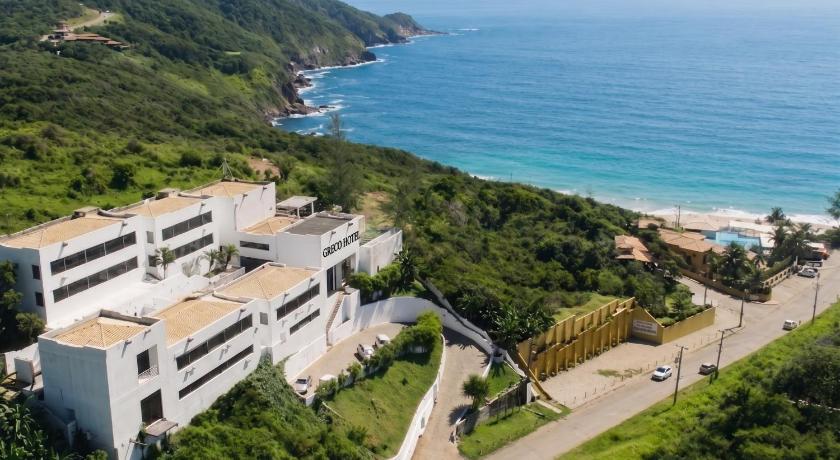
Near the Orla Bardot or the Rua das Pedras, dinner and a stroll are within walking distance. Geribá is the base for anyone who wants a beach at the door, and João Fernandes has the most expensive pousadas (small inns) and the calmest sea. Búzios is pricier than the average along the coast of Rio de Janeiro state, especially in the high summer season, so it pays to book in advance between December and February. The beaches are spread across the peninsula, so choose your area based on what you want to do each day. Many inns offer transfers to the beaches.
Rates change with the dates: confirm the price on Booking.com.
April to October is the window with the best weather: August is the driest month (30 mm of rain over 4 days) and highs range from 23 to 27 °C. Búzios is in the Região dos Lagos, which is drier than Rio. In July and August the sea is colder.
Three to four days are enough to see the main beaches, each with its own character, take a boat trip and enjoy the night on the Rua das Pedras without rushing. If you just want to relax, you can stay a few more days.
It is about 170 km and a trip of about 2 h 40 min via the Via Lagos (RJ-124).
It depends on what you are looking for. Geribá is the liveliest, with open sea, waves and crowded kiosks. João Fernandes, Azeda and Azedinha have calm, clear water, good for snorkeling. Ferradura is the shallowest, the favorite of anyone traveling with children. Brava and Olho de Boi are more secluded and require a short walk.
Yes, but with limits. The center, the Rua das Pedras, the Orla Bardot and the nearest beaches are manageable on foot. For Geribá, Ferradura and João Fernandes, the usual choice is a taxi, a ride-hailing app or the local vans. Many inns offer transfers, and dune buggies and electric bikes can also be rented, which is usually enough for a short stay.
Búzios offers more variety of beaches in a small space, plus dining and nightlife. Arraial do Cabo has the clearest water in the Região dos Lagos, but it is a considerably simpler town. Since they are less than 40 minutes apart, many people sleep in Búzios and visit Arraial do Cabo on a day trip.
The weather and population data in this guide come from official agencies and open databases. Entry requirements and health recommendations change: always check the official source linked.